When a school bell rings, it’s not just a cue for recess—it’s a signal that a whole day of learning, social interaction, and potential surprises is about to begin. For girls with autism, that day can feel like a rollercoaster with no seatbelt. Early school safety plans are the safety harnesses that keep them grounded, confident, and ready to explore. This article walks you through what those plans look like, why they’re essential, and how schools, families, and communities can collaborate to create a secure learning environment.
Understanding the Unique Needs of Girls with Autism
Girls with autism often present differently than their male peers, which can lead to under‑recognition and mis‑support. They may have subtler social challenges, heightened sensory sensitivities, and a tendency to internalize stress. Knowing these nuances is the first step toward designing effective safety plans.
Sensory Sensitivities and Social Cues
Imagine walking into a crowded cafeteria where every sound is amplified. For a girl with autism, the chatter, clinking dishes, and fluorescent lights can feel like a storm. Sensory overload can trigger anxiety, meltdowns, or withdrawal—situations that early safety plans aim to pre‑empt.

The Quiet Side of Autism
While boys often exhibit overt behaviors, girls may hide their struggles behind a calm façade. They might not scream for help, but their internal distress can still be intense. Recognizing this quiet vulnerability is crucial for teachers and peers to respond appropriately.
Building a Foundation: Early School Safety Plans
A robust safety plan is built on three pillars: environment, people, and procedures. Each pillar autism diagnosis supports the others, creating a safety net that catches potential hazards before they become problems.
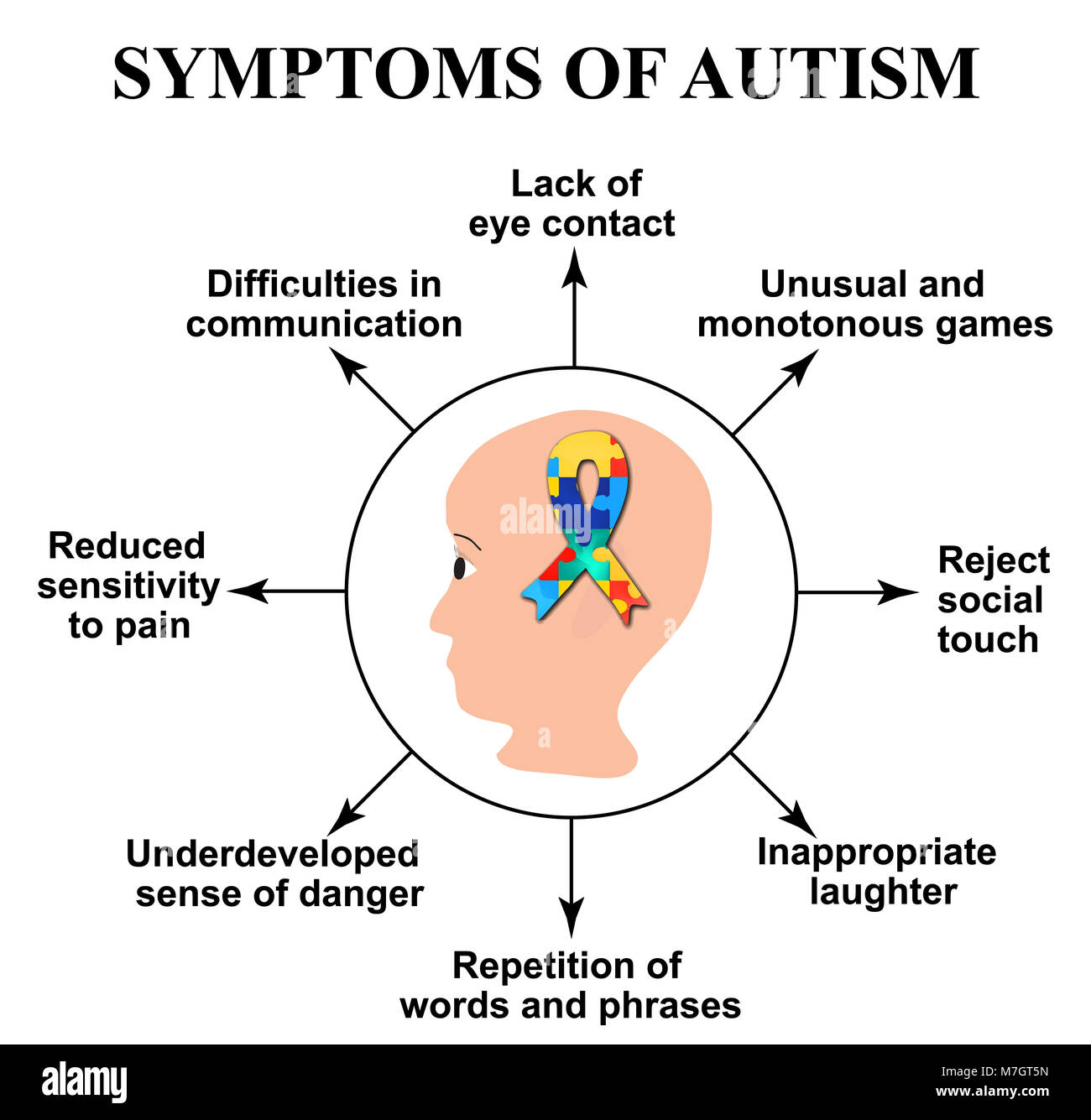
Classroom Design and Environment
- Low‑noise zones: Use carpeting, acoustic panels, and soft furnishings to dampen sound. Visual calm spaces: Designate a corner with dim lighting, plush seating, and sensory tools for quick retreats. Clear signage: Bright, simple icons help navigate hallways and reduce confusion.
Teacher and Staff Training
- Sensory literacy workshops: Educators learn to spot early signs of overload and adjust the environment in real time. Crisis de‑escalation techniques: Staff gain tools to calm a student without triggering a full‑blown episode. Peer mentorship programs: Trained classmates can provide immediate support and model inclusive behavior.
Communication Strategies
- Visual schedules: A daily routine displayed in pictures helps students anticipate transitions. Check‑in protocols: Regular, brief conversations allow students to express concerns before they balloon. Collaborative planning: Teachers, parents, and specialists meet quarterly to refine safety measures.
Practical Tools and Strategies
The right tools can transform a classroom into a safe haven. Below are practical resources that can be integrated into everyday routines.
- Weighted blankets: Provide gentle pressure that can calm the nervous system. Noise‑cancelling headphones: Offer a personal shield against overwhelming sounds. Fidget devices: Keep hands busy and reduce hyper‑arousal.
Visual Supports
Visual aids—like picture exchange communication systems (PECS) or simple icon charts—translate abstract concepts into concrete images. They help students understand expectations and reduce anxiety.
Structured Routines
Consistency is a powerful antidote to uncertainty. By maintaining predictable schedules, schools give students a sense of control, which is the bedrock of emotional safety.
Involving Families and Communities
Safety plans are not confined to school walls. Families and community partners play pivotal roles in reinforcing strategies and ensuring continuity.
- Parent‑teacher communication logs: Share daily observations and adjustments. Community resource directories: List local autism support groups, therapists, and recreational centers. Volunteer training: Equip school volunteers with basic safety protocols to support classroom activities.
A Real‑Life Anecdote
Last year, Ms. Ramirez noticed that Lily, a 9‑year‑old with autism, started fidgeting and avoiding eye contact during math class. Instead of calling her out, Ms. Ramirez offered Lily a small, weighted pencil. Within minutes, Lily’s shoulders relaxed, and she returned to the lesson with a smile. That simple tool—an early safety plan in action—saved the day for both teacher and student.
A Quote
> “The best way to predict the future is to create it.” – Peter Drucker
This wisdom reminds us that proactive safety planning is not just a reactive measure—it’s a proactive creation of a safer tomorrow.
Future‑Proofing the Plan
Safety plans should evolve with the student’s growth and changing needs. Regular reviews, technology integration, and inclusive policy updates keep the plan relevant.
- Technology tools: Apps that provide real‑time reminders or calming audio tracks. Policy reviews: Align school policies with the latest research on autism and gender differences. Feedback loops: Encourage students to voice their comfort levels and suggestions.
Making Your Selection Count
Choosing the right safety plan is like selecting a compass for a journey through uncharted territory. It should point toward trust, respect, and empowerment. By integrating sensory‑friendly designs, staff training, practical tools, and family collaboration, schools can create a living, breathing safety net that adapts to each girl’s unique needs.
When you think about early school safety plans for girls with autism, imagine a garden where every flower is nurtured. The soil is rich with understanding, the light is gentle, and the wind—though sometimes strong—does not uproot the blossoms. Let’s keep the garden flourishing, one thoughtful plan at a time.